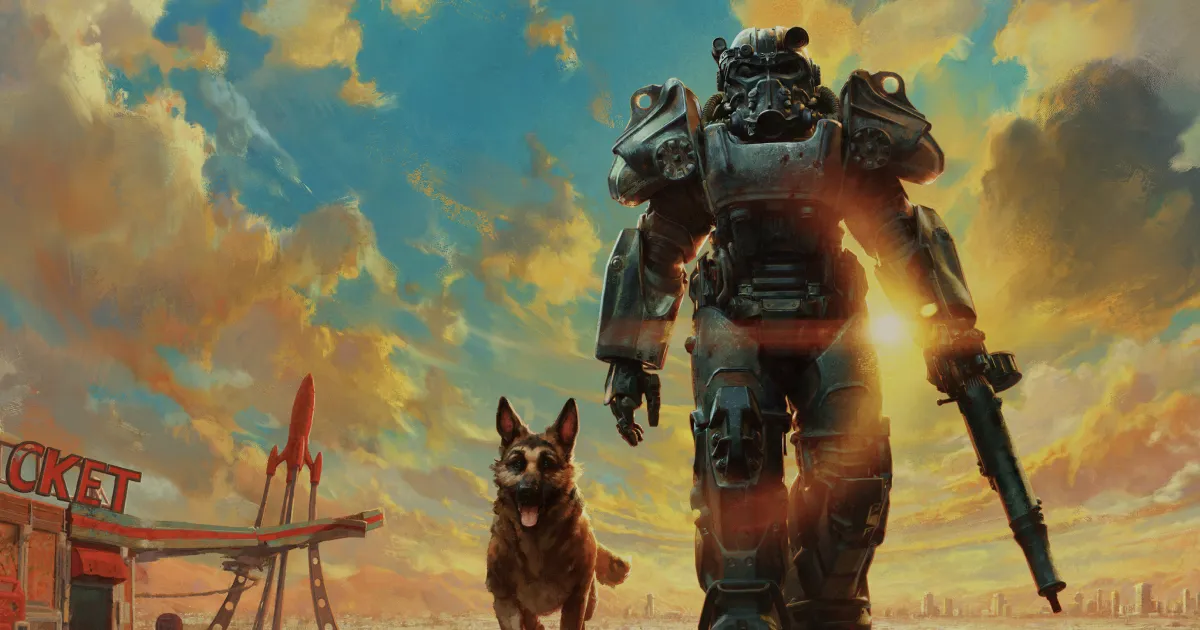
The Fallout series has taken us everywhere from the scorched streets of post-nuclear Washington D.C. to the sun-blasted neon lights of New Vegas. This ranking examines the six mainline Fallout RPGs, excluding spin-offs like Fallout Tactics, Fallout Shelter, and Brotherhood of Steel.
These titles are judged not just by critical reception or sales, but by their adherence to core Fallout principles: player agency, role-playing depth, meaningful choices, world-building, and lasting fan impact.
Fallout 76: The Online Oddity
Fallout 76 launched as a divisive entry with missing NPCs, numerous bugs, and an eerily empty world. While Bethesda later added traditional questlines, factions, and characters, the game remains primarily a multiplayer survival experience rather than a traditional Fallout RPG. This design shift limits the consequence-rich decision-making central to the series, though the map design and multiplayer elements offer entertainment value.
Fallout 4: Slick, Loud, and A Little Less Deep
Fallout 4 represents a paradox—the most polished and technically accomplished entry, yet one that strayed furthest from the series’ RPG foundations. The gunplay excels, crafting is robust, and the Commonwealth offers interesting exploration. However, the simplified dialogue system and voiced protagonist reduced player agency. The predetermined role as a parent searching for a missing child constrains role-playing possibilities, disappointing longtime fans seeking the nuanced decision-making of earlier installments.
Fallout 3: The Reboot That Reintroduced the Wasteland
Fallout 3 brought the franchise into full 3D and introduced a new generation to the post-apocalyptic setting. Its atmospheric Capital Wasteland, iconic opening, and sense of scale were revolutionary for open-world RPG design. However, it simplified role-playing elements from earlier games, offering more black-and-white moral choices than nuanced storytelling. Despite this streamlining, its influence on open-world design remains undeniable and crucial to the franchise’s revival.
Fallout: The One That Started It All
The original Fallout masterfully established the series’ tone and identity through its isometric perspective, turn-based combat, and haunting atmosphere. Playing as the Vault Dweller searching for a water chip, players uncover larger threats while experiencing impressive commitment to consequence and freedom. Though the interface is dated and difficulty punishing, the game remains powerful for its emergent storytelling and moral ambiguity.
Fallout 2: Bigger, Wilder, Smarter
Fallout 2 expanded its predecessor’s foundation into a sprawling, chaotic, and unforgettable RPG. It deepens the experience with greater humor, complexity, and scope. Players could align with or betray numerous factions, explore a world of absurdity, and make choices with long-term consequences. The game embraces setting weirdness without losing its edge. While featuring brutal early-game difficulty spikes and numerous bugs, it delivers outstanding writing and satisfying role-playing once momentum builds.
Fallout: New Vegas: The Gold Standard
Fallout: New Vegas stands at the top, developed by Obsidian Entertainment. It perfectly captures what Fallout represents: complex factions, morally gray choices, and player-driven narrative. The Mojave Wasteland brims with story, and every decision feels meaningful. Whether aligning with the NCR, the Legion, Mr. House, or pursuing anarchism through Yes Man, the game adapts beautifully. Despite rushed development and rocky launch, it remains the fan favorite because it trusts players to shape the wasteland itself.